Storm checklist
Hail just hit your neighborhood. Here is what to do next.
A practical North Texas checklist for staying safe, documenting damage, contacting your insurer, and dealing with contractors after hail.
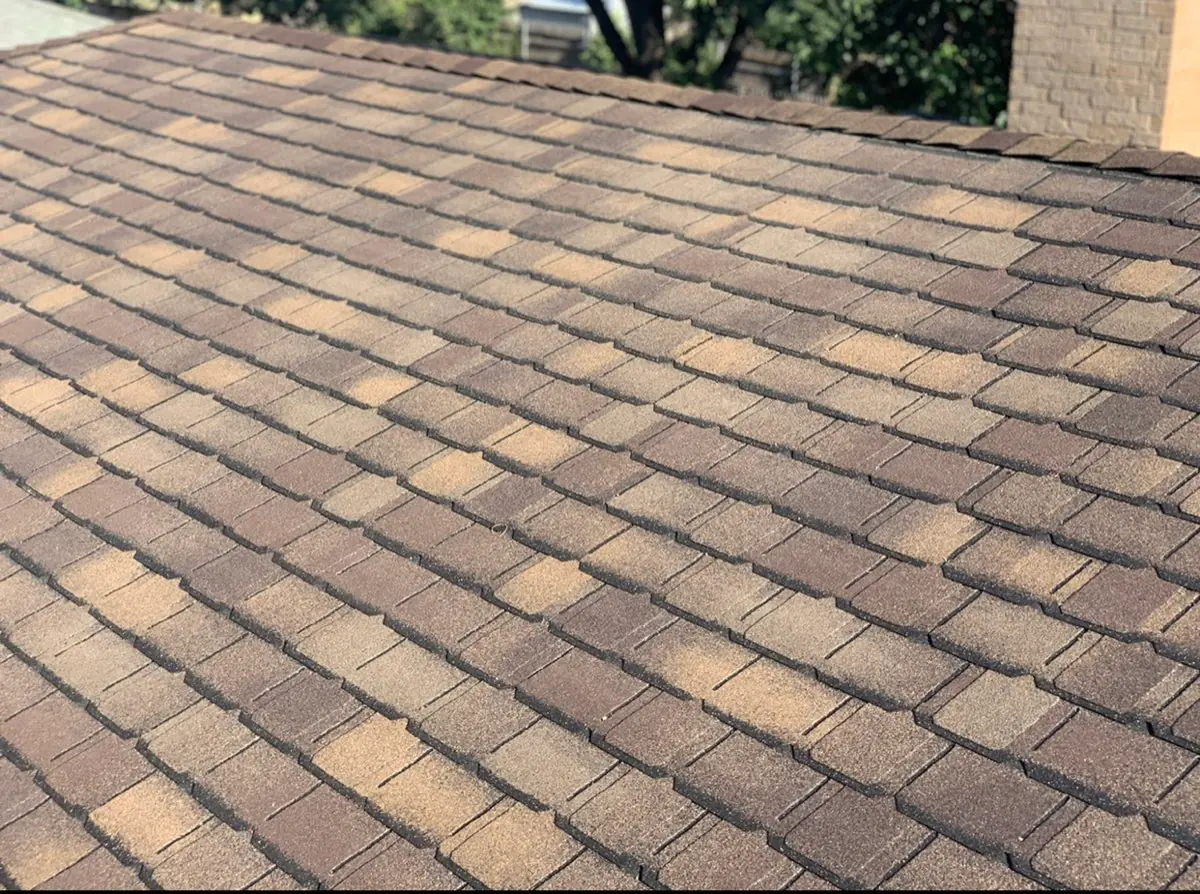
Start on the ground
Wait until the storm has passed and keep people and pets away from broken glass, fallen limbs, loose materials, and downed lines. Do not climb onto a wet or damaged roof. If water is entering the house, protect the area only when it is safe to do so and keep receipts for temporary repairs.
From the ground, photograph the conditions around the house: hail next to a ruler or another object of known size, damaged screens, dented gutters or downspouts, fallen branches, and visible exterior damage. Photograph the wider scene as well as close details. Keep the original files and note the time and location; do not rely on an automatic timestamp as the only record.
Contact the insurer promptly when damage is possible
If your home is damaged or you reasonably suspect damage, review the policy and contact the insurance company promptly. The Texas Department of Insurance tells homeowners to file as soon as possible after hail or wind damage. Policy duties and deadlines vary, so a contractor inspection should not delay notice to the insurer.
Give the insurer the facts you can observe and ask what documentation and temporary repairs it requires. A roof inspection may add useful photos and condition notes, but the contractor does not decide coverage or claim value.
Read before you sign
Storms bring both established local contractors and companies that are new to the area. Get business information and references, compare more than one written bid when conditions allow, and do not sign a document with blank spaces. Do not pay the full job price before the work is complete.
Read any inspection authorization or contingency agreement before signing it. Confirm whether it is only permission to inspect or a contract that commits you to future work. A legitimate emergency can require quick action; the paperwork should still say exactly what you are authorizing.
What a Texas roofer can—and cannot—do on your claim
Texas does not allow a roofer or contractor who may do the repair work to act as the homeowner’s public insurance adjuster on that claim. A contractor also cannot waive, rebate, or absorb the insurance deductible. Be cautious when someone offers to file or negotiate the claim for you, promises a particular insurance result, or says the deductible can disappear.
Roof Watch documents visible roof condition. It does not file claims, negotiate coverage, or represent homeowners to insurers. Questions about a claim belong with the insurer, a licensed public adjuster, or an attorney as appropriate.
A prior report gives you a useful comparison
Dated roof photos from before a storm may help the professionals involved compare earlier condition with what is visible now. They do not prove the cause of damage or guarantee coverage. Their value is that everyone can discuss the same locations and the same record.
Roof Watch is designed to create that kind of annual written record. Text ROOF WATCH, your city, and your ZIP to (817) 886-2418 to check current availability and receive the program limits before scheduling.
Check Roof Watch availability
Text your city and ZIP to see whether your address is currently served. We send the written program limits before you schedule.
Sources checked for this guide
These links support the safety, insurance, legal, and roof-performance details above. Rules, policies, and product guidance can change, so check the current source for your situation.
- What to do after hail or windstormsTexas Department of Insurance
- Steps to getting your home insurance claim paidTexas Department of Insurance
- Roofing and insurance: Know the lawTexas Department of Insurance