Heat and ventilation
How North Texas heat ages an asphalt-shingle roof
How heat, UV exposure, daily temperature changes, and attic ventilation affect asphalt roofs—and what a yearly inspection should document.
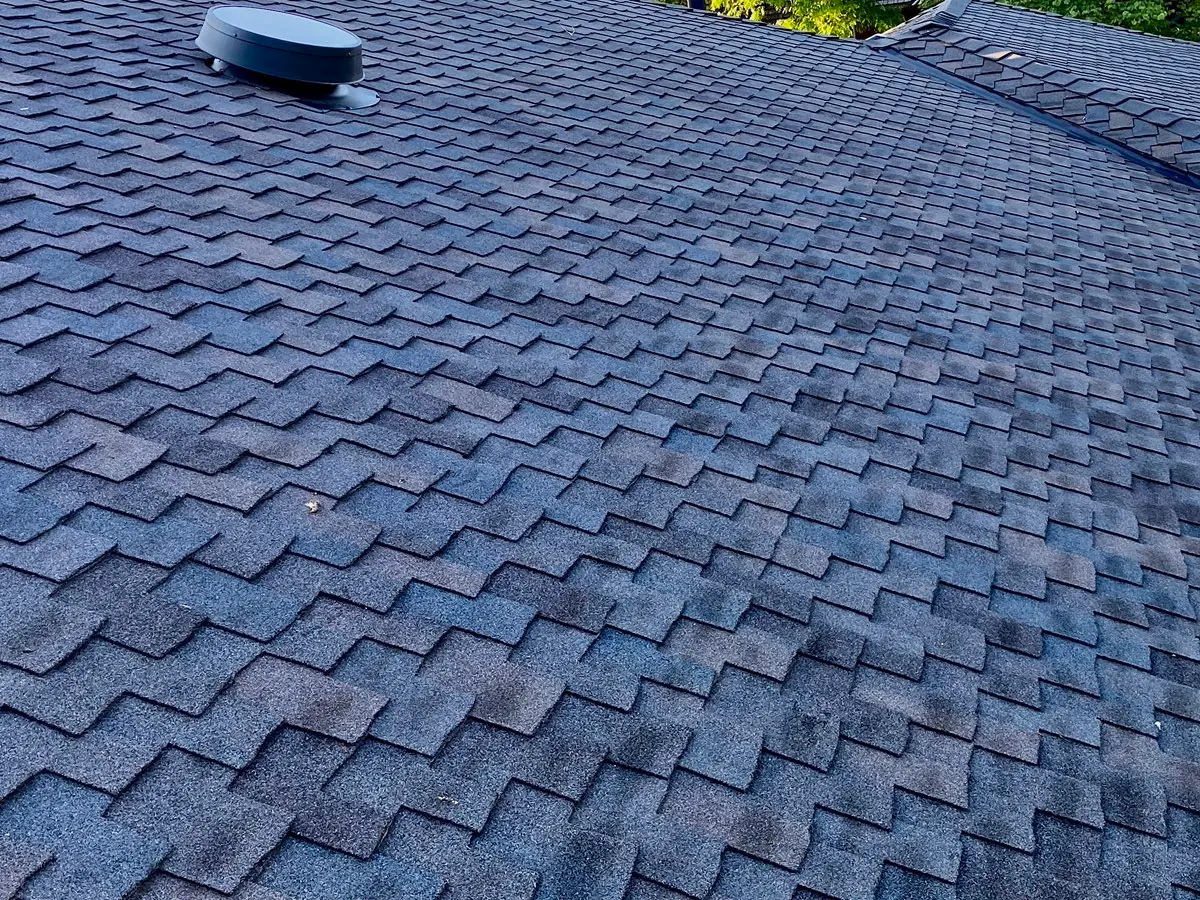
Heat damage is gradual
A hailstorm can change a roof in minutes. Heat and sunlight work more slowly. Asphalt shingles warm during the day and cool at night, while ultraviolet exposure ages the surface over time. The result can include brittleness, cracking, distortion, and loss of protective granules, depending on the product, installation, ventilation, and exposure.
That does not mean every hot roof is failing. The useful question is whether the material and roof details are changing faster than expected, and whether a repairable condition is contributing to the wear.
Compare slopes instead of assuming they age alike
Roof orientation, pitch, shade, nearby trees, reflected heat, wind exposure, and ventilation can produce different conditions on the same house. One slope may show more wear than another, but there is no universal rule that a particular direction always fails first.
A yearly report should identify each slope and photograph representative areas. That makes uneven wear visible and keeps a street-side glance from standing in for a complete inspection.
Check the details around the shingles
Sealants, exposed fasteners, flashings, and rubber components around plumbing vents can deteriorate before the main roof covering reaches the end of its service life. These small parts deserve their own photographs and condition notes.
Attic ventilation matters too. Excess heat and moisture in an attic can contribute to premature aging of shingles and roof sheathing. An exterior roof visit cannot always diagnose the whole ventilation system, so signs of concern may require an attic inspection or another qualified evaluation.
A warranty label is not a service-life prediction
Shingle warranties differ in coverage, exclusions, transfer rules, installation requirements, and ventilation requirements. The number used to describe a product is not a promise that every roof will last that many years in every condition. Keep the exact product and warranty document with the home record.
Maintenance does not stop normal aging, but it can catch debris, drainage issues, open sealant, damaged accessories, and other conditions before they create a larger problem. Roof Watch offers an annual documented check at participating Texas and Oklahoma addresses. Text your city and ZIP to (817) 886-2418 to confirm availability.
Check Roof Watch availability
Text your city and ZIP to see whether your address is currently served. We send the written program limits before you schedule.
Sources checked for this guide
These links support the safety, insurance, legal, and roof-performance details above. Rules, policies, and product guidance can change, so check the current source for your situation.
- How hot does a roof get in summer?GAF
- Why proper roof and attic ventilation mattersOwens Corning
- Insurance and your roof: maintenance checklistTexas Department of Insurance